
The examples in this article prove the opposite: AI’s value is removing grunt work and constraints, not replacing the humans who understand your market, your brand, and your customers.
A $100 denim dog harness brand struggled with low ad engagement. The problem was that rock patches were on the back of the harness, so product photos showed the dog from behind, hiding its face. Dog owners scrolling social media kept scrolling past ads without cute dog faces visible.
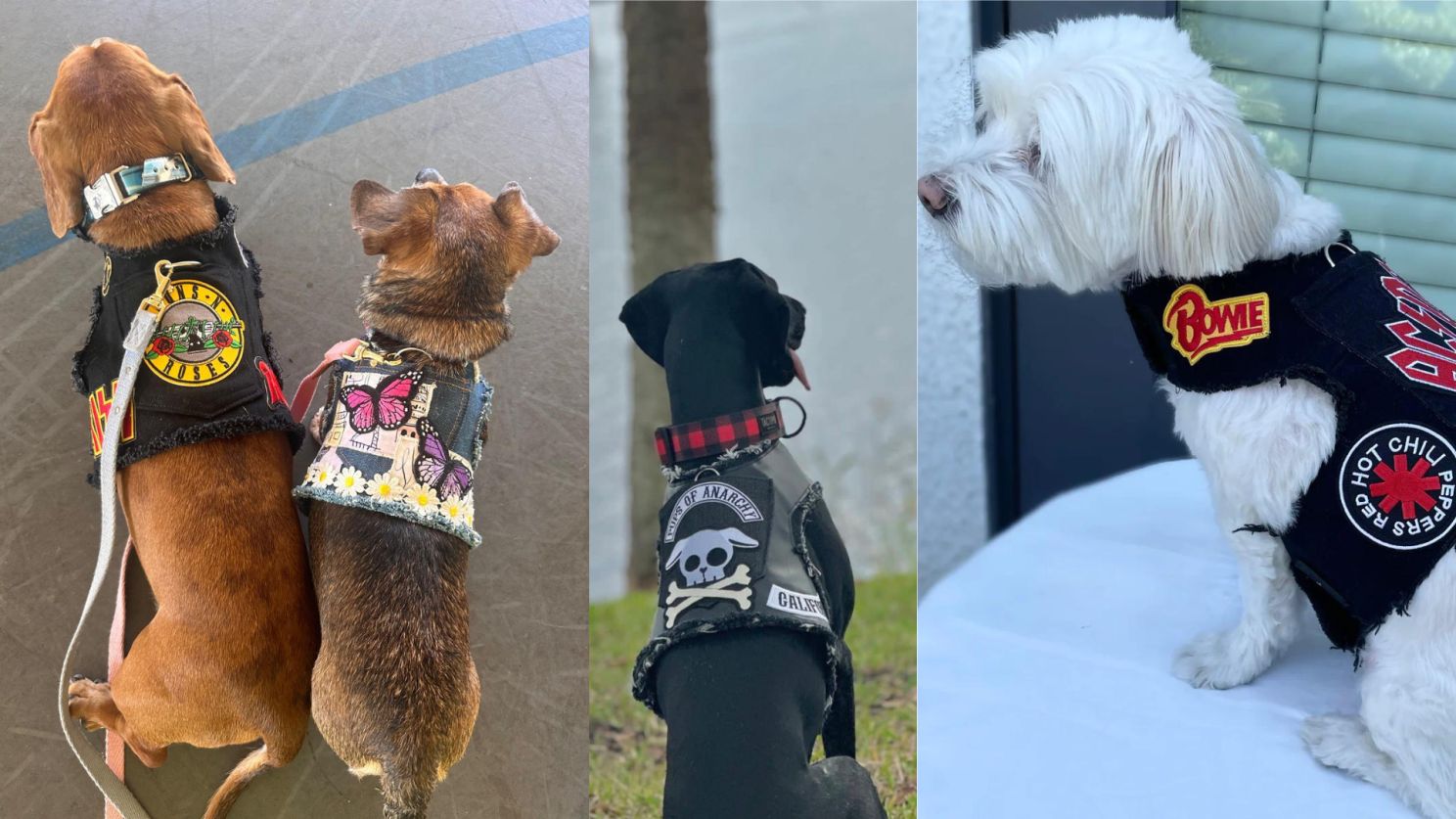
So, Aditya Chavan and his team used ChatGPT (with DALL-E) over 5 days to create AI-generated product images showing both the harness design AND the dog’s face from flattering angles.
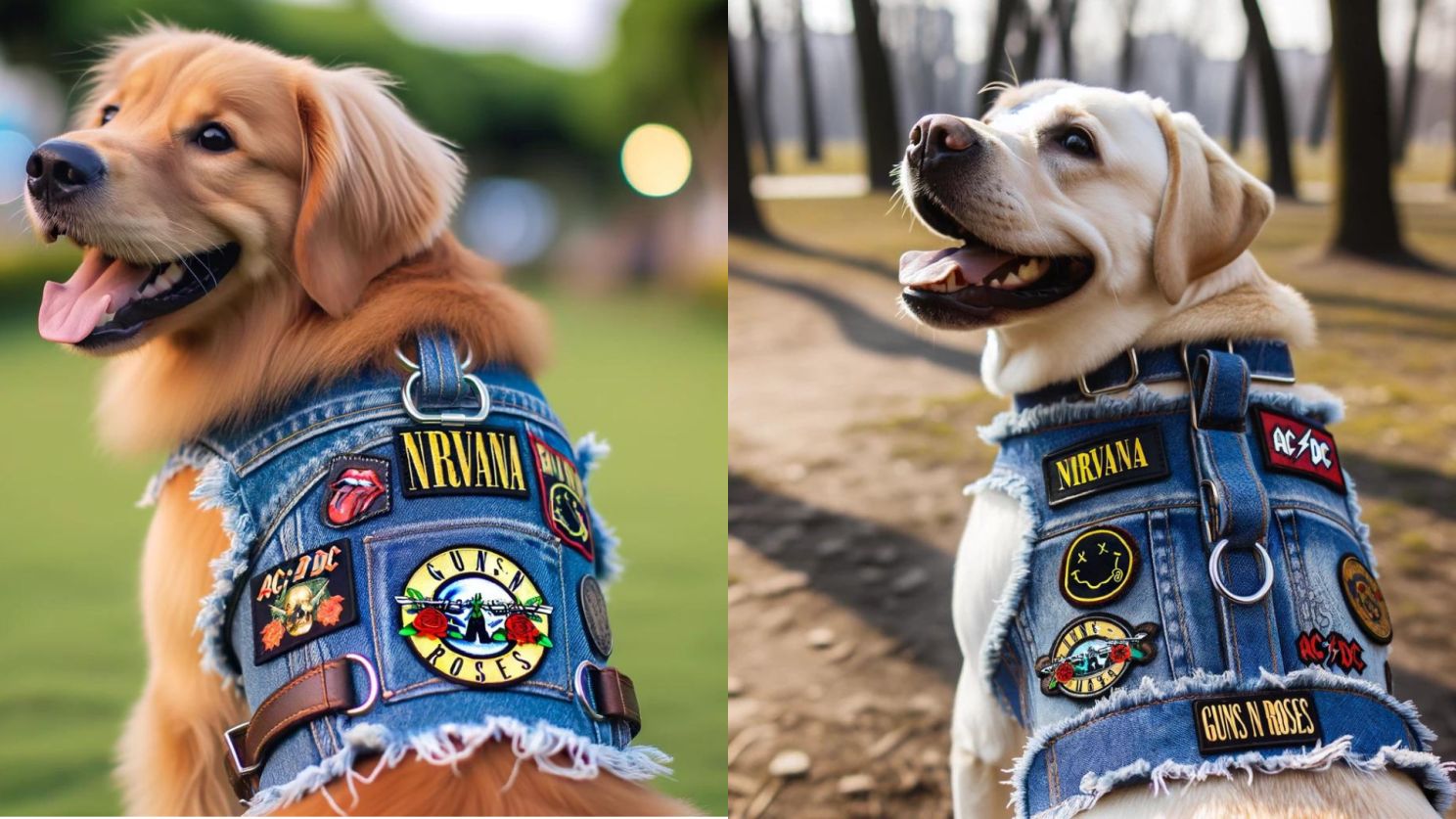
Next, they scraped Amazon reviews of competing dog harnesses, used AI to analyze feedback, identified the top 4 customer priorities (perfect fit, escape-proof, breathable, aesthetics), and rewrote ad copy around these.
There was an unexpected discovery, too. New ads with AI-generated images got massive engagement but low conversions. Using Microsoft Clarity to track website behavior, they discovered why: the AI images looked better than the actual product. Customers felt misled when the real harness didn’t match the AI-generated promise.
Instead of abandoning AI images, the client redesigned the physical product to match what AI had shown customers wanted, creating the “Rocker 2.0” collection based on the AI-generated concept.
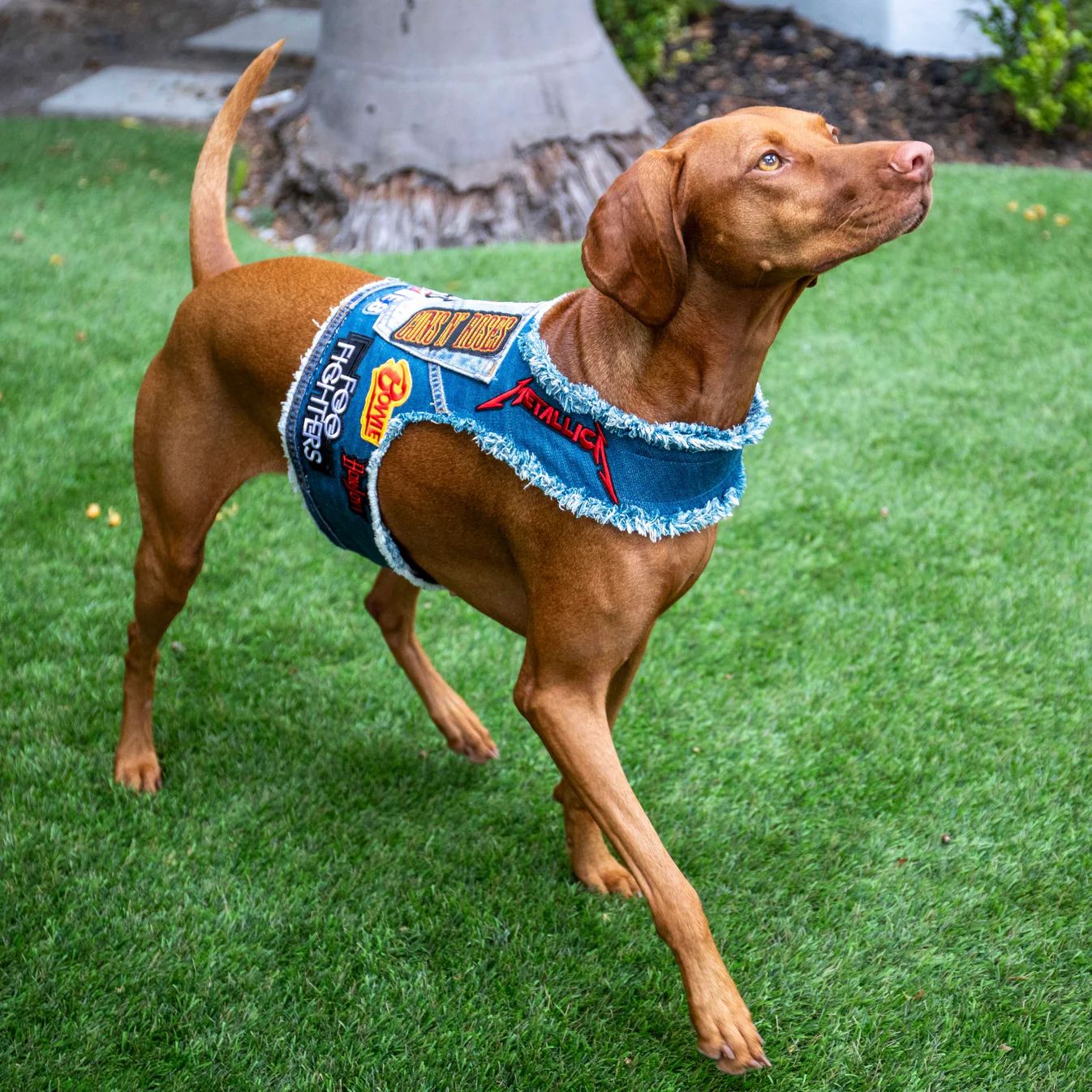
As a result, daily orders and revenue both doubled, while the product redesign based on AI insights successfully matched customer expectations.
Takeaway
You can research competitor reviews on Amazon or Google and use AI to spot common customer frustrations and wants. Then, create images that speak directly to those needs. Tools like ChatGPT, Midjourney, or DALL-E let you quickly generate and test product ideas—no need for costly photoshoots or large inventory upfront.
Create 10–20 image variations in just a few days, run them as ads, and use the results to see which ones your audience connects with most.
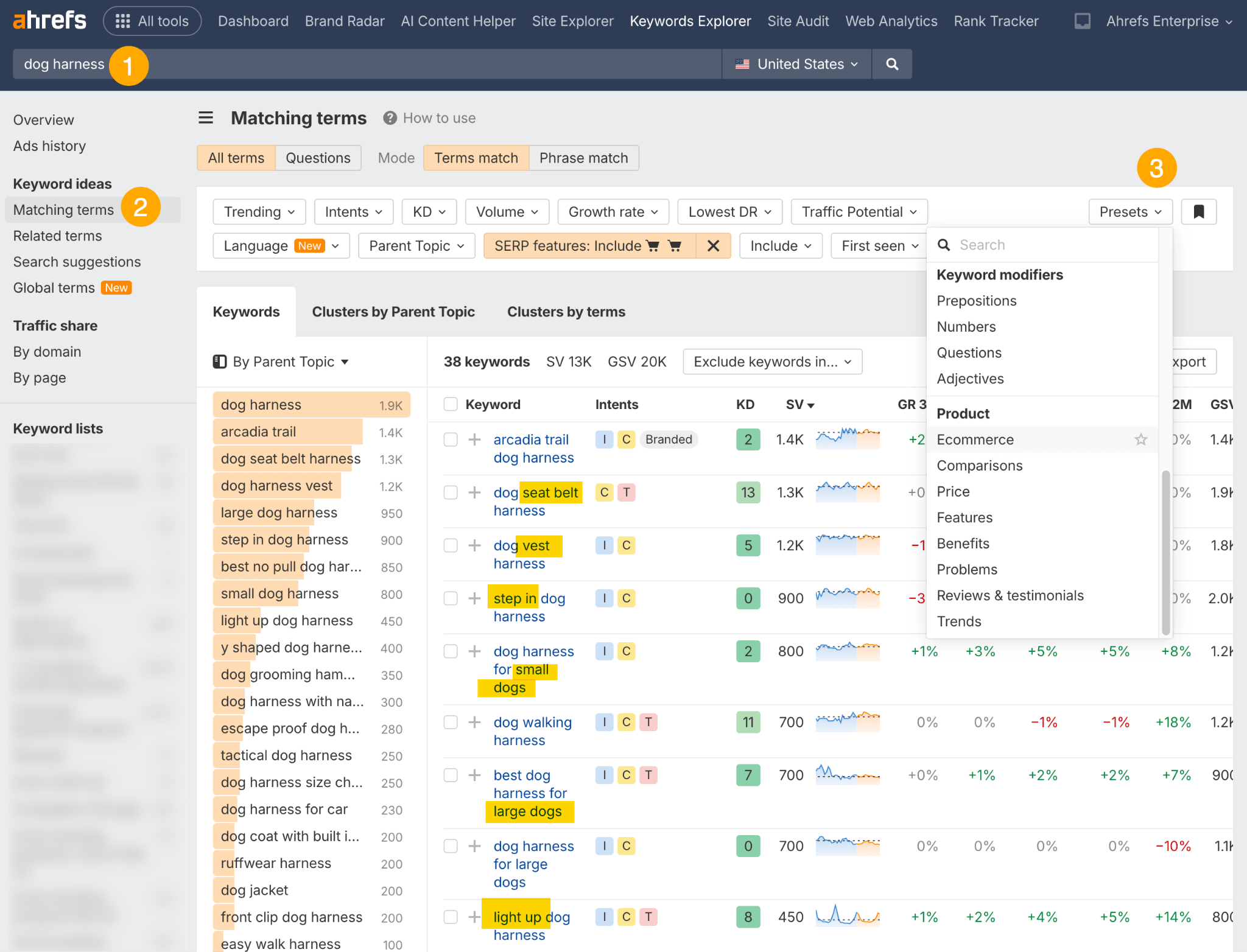
You can use a tool like Ahrefs’ Keywords Explorer to gauge actual user demand for specific product types and features. Enter seed keywords like “dog harness” and explore the “Matching terms” report. You can use the “Ecommerce” filter to narrow down results to actual products. This tells you which features have real demand, not just which ones get mentioned in reviews.
Allied Global Marketing needed to launch a campaign for NERF Action Xperience, the first official NERF play center in the US. NERF, known for its colorful foam dart blasters, had a facility still under construction—no photos or videos existed.
They used DALL-E to generate illustrations of teens with NERF blasters, but it wasn’t simple: they went through “too many iterations to count,” heavily edited outputs in Photoshop (isolating characters, adjusting colors), converted everything to vectors in Illustrator, and filtered actual NERF products to match the art style.
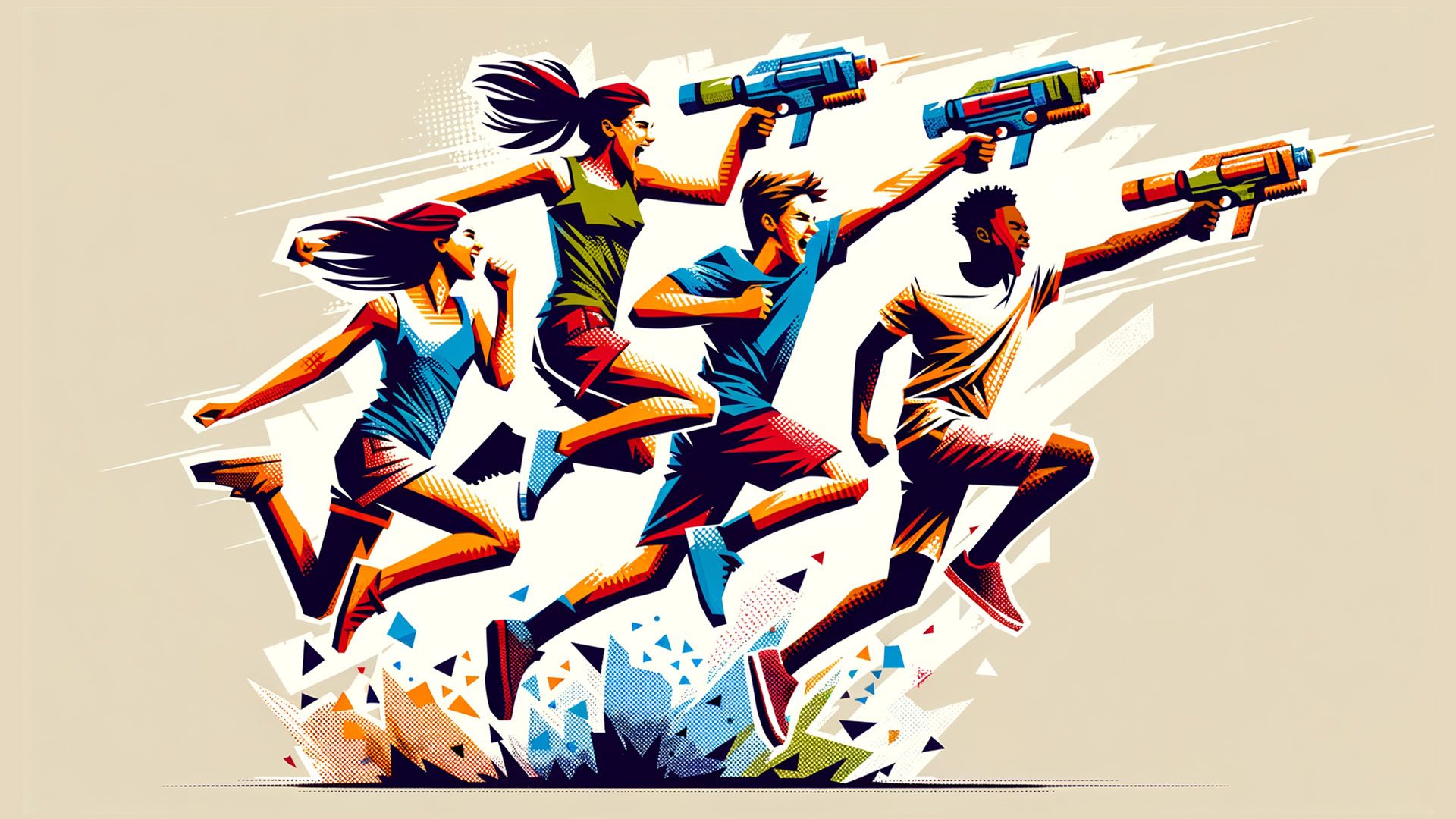
The result: they met impossible deadlines and created a full library of campaign assets thanks to AI.
Takeaway
AI can generate visuals when nothing exists to photograph yet, giving you incredible speed to market, but don’t expect plug-and-play. Work with a designer to clean up outputs—that’s where quality happens.
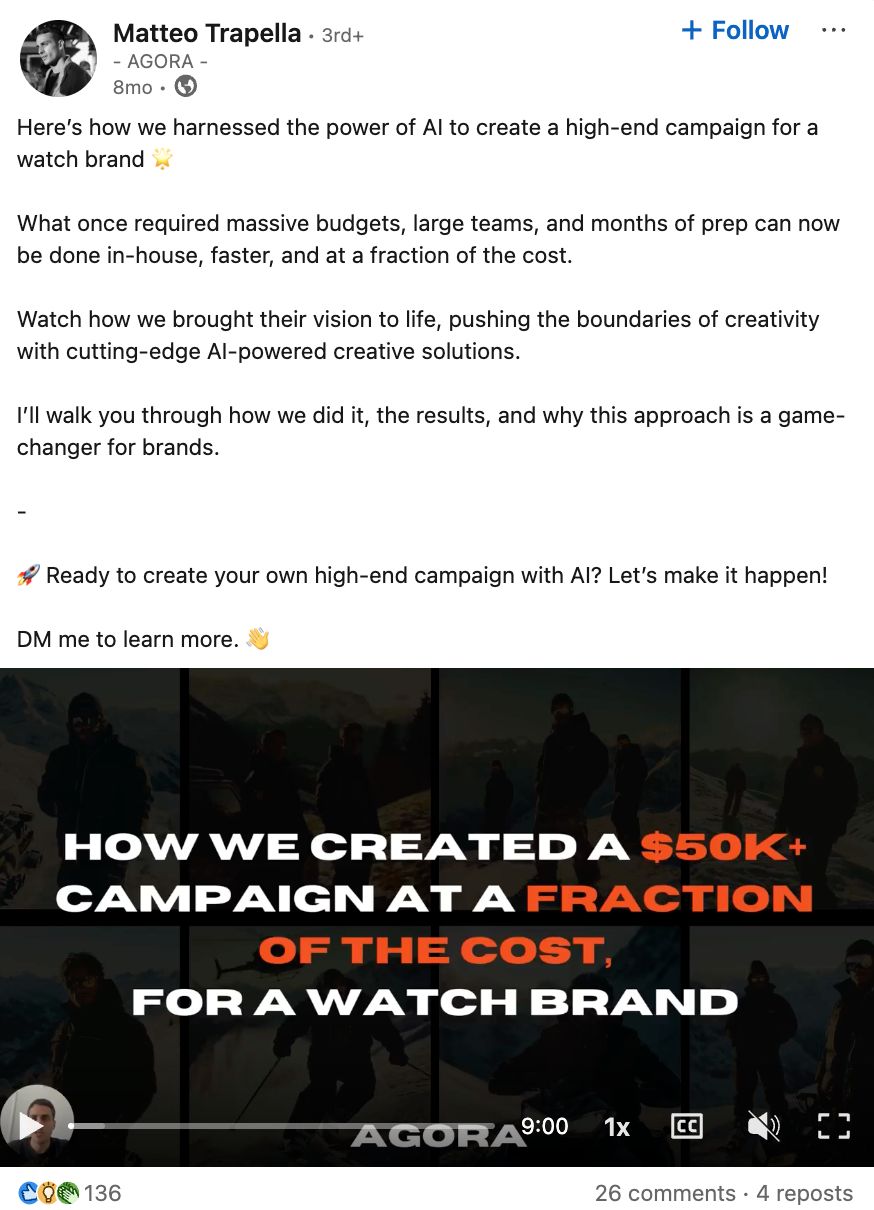
AGORA, a creative agency, created high-end campaign visuals for jewelry, accessories, and CPG brands by combining AI-generated scenery with traditionally photographed real products.
Instead of a full photoshoot crew (creative director, photographer, stylist, makeup artists, etc.), they reduced it to: creative director, prompt engineer/AI artist, and photographer/retoucher.
Trying to AI-generate the actual product led to poor results—the products still need professional photography. Gimmicky all-in-one AI tools don’t work for high-end projects.
The winning formula was to use AI for elaborate backgrounds (beach scenes, studio setups, outdoor locations), then composite professionally photographed real products into those AI scenes.
Link to the LinkedIn Post with Matteo Trapella explaining the campaign.
Takeaway
AI can replace expensive location shoots, but not product photography. Use AI to create background scenes. Photograph your product professionally, and use Photoshop to composite.
AGORA’s approach is best for: jewelry, accessories, packaged goods—any product needing premium presentation but flexible environments. Don’t use it for fashion on models or where product/environment interaction matters.
AI works for big brands that have long stood for quality content, if used properly. At Ahrefs, one of the most respected SEO blogs in the industry, we use AI throughout our content workflow while keeping humans firmly in control. Let me show you a few examples.
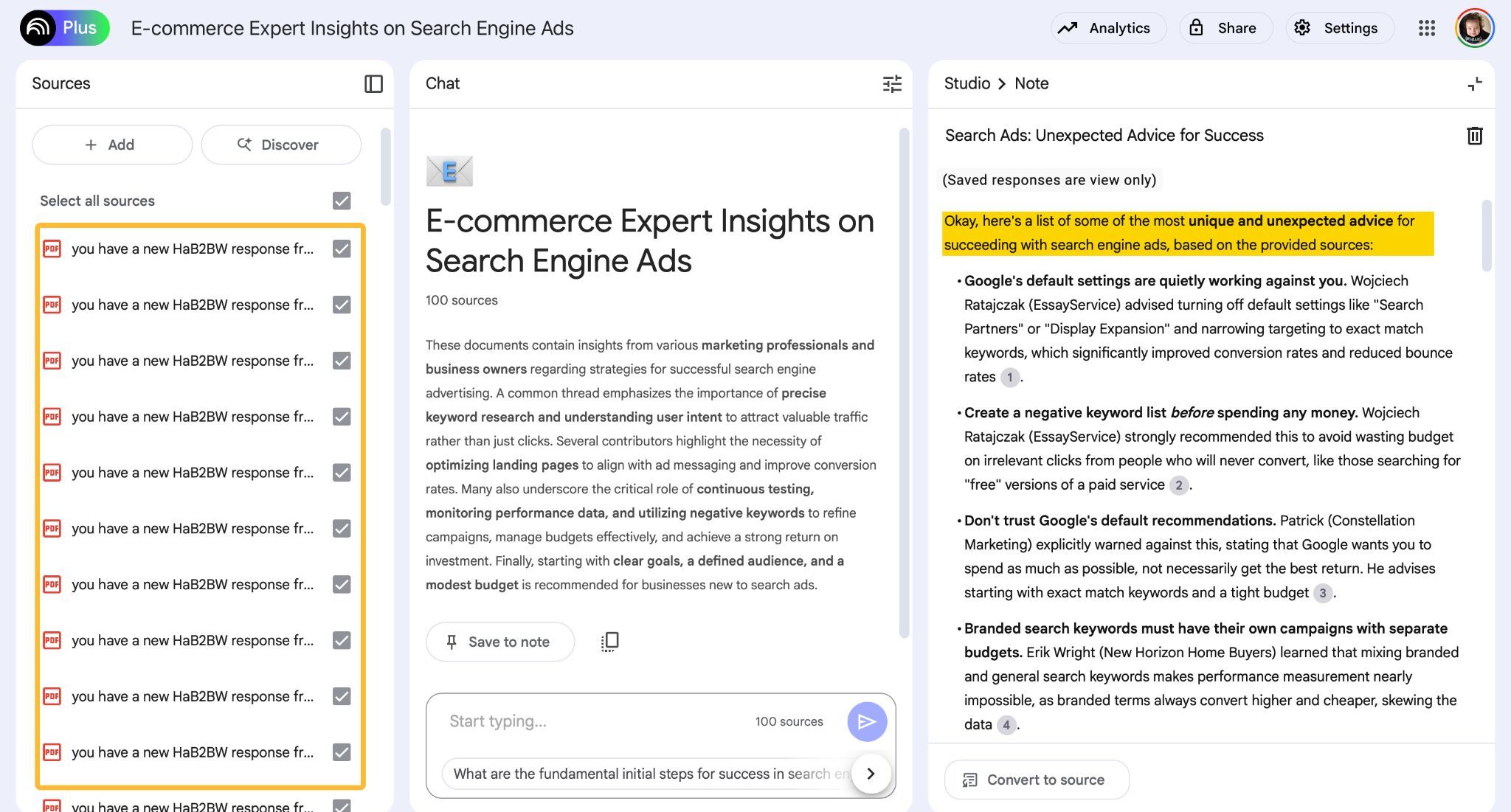
During the research phase, tools like NotebookLM help quickly process large amounts of input—such as dozens of responses, interviews, or survey answers—to surface the insights that matter.
AI assistants with “deep research” feature are great for checking what’s already known about a topic and identifying gaps worth exploring.
I’ve also used ChatGPT and Claude to handle more technical tasks such as writing API code, combining datasets, or running basic statistical checks.
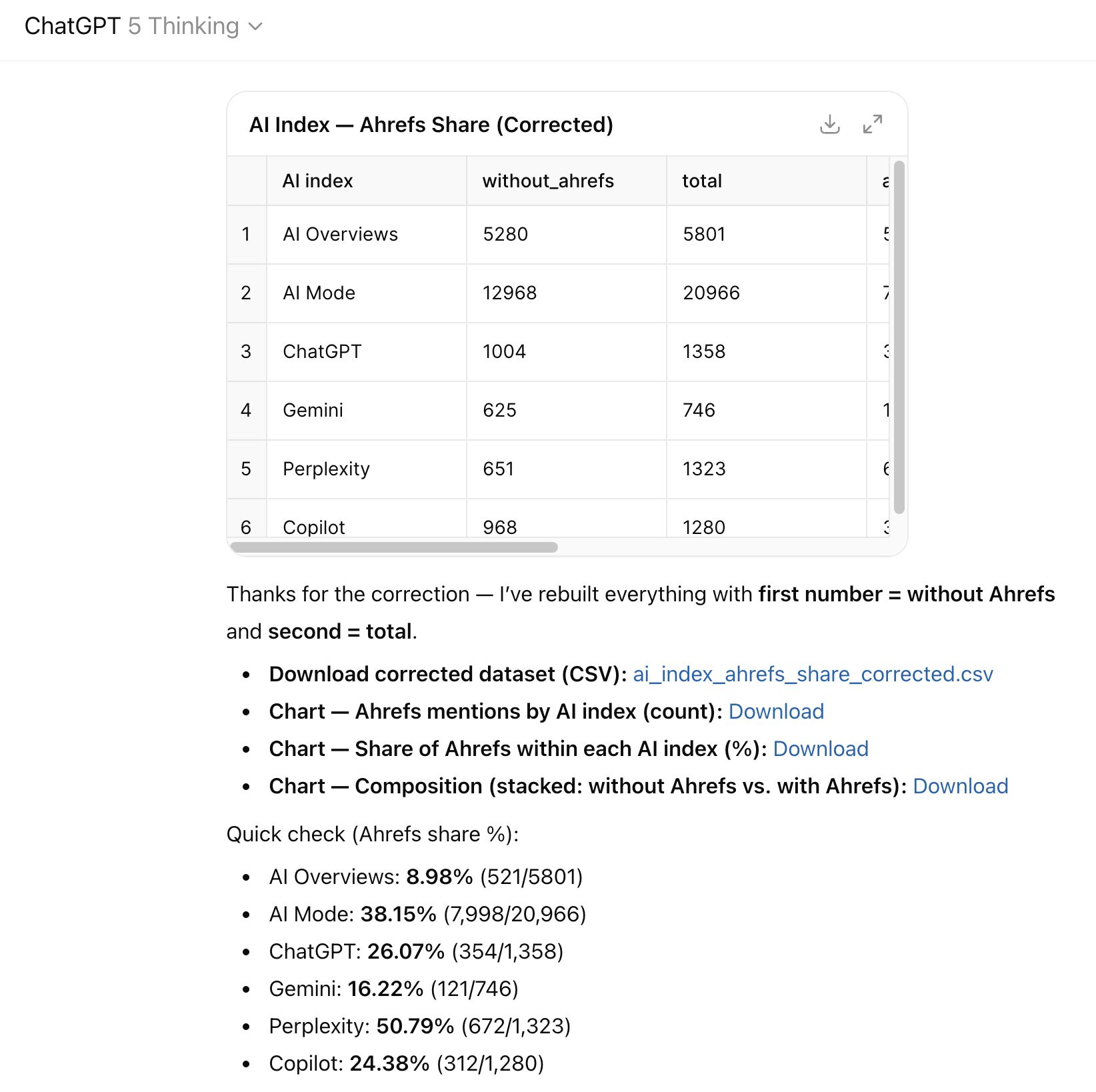
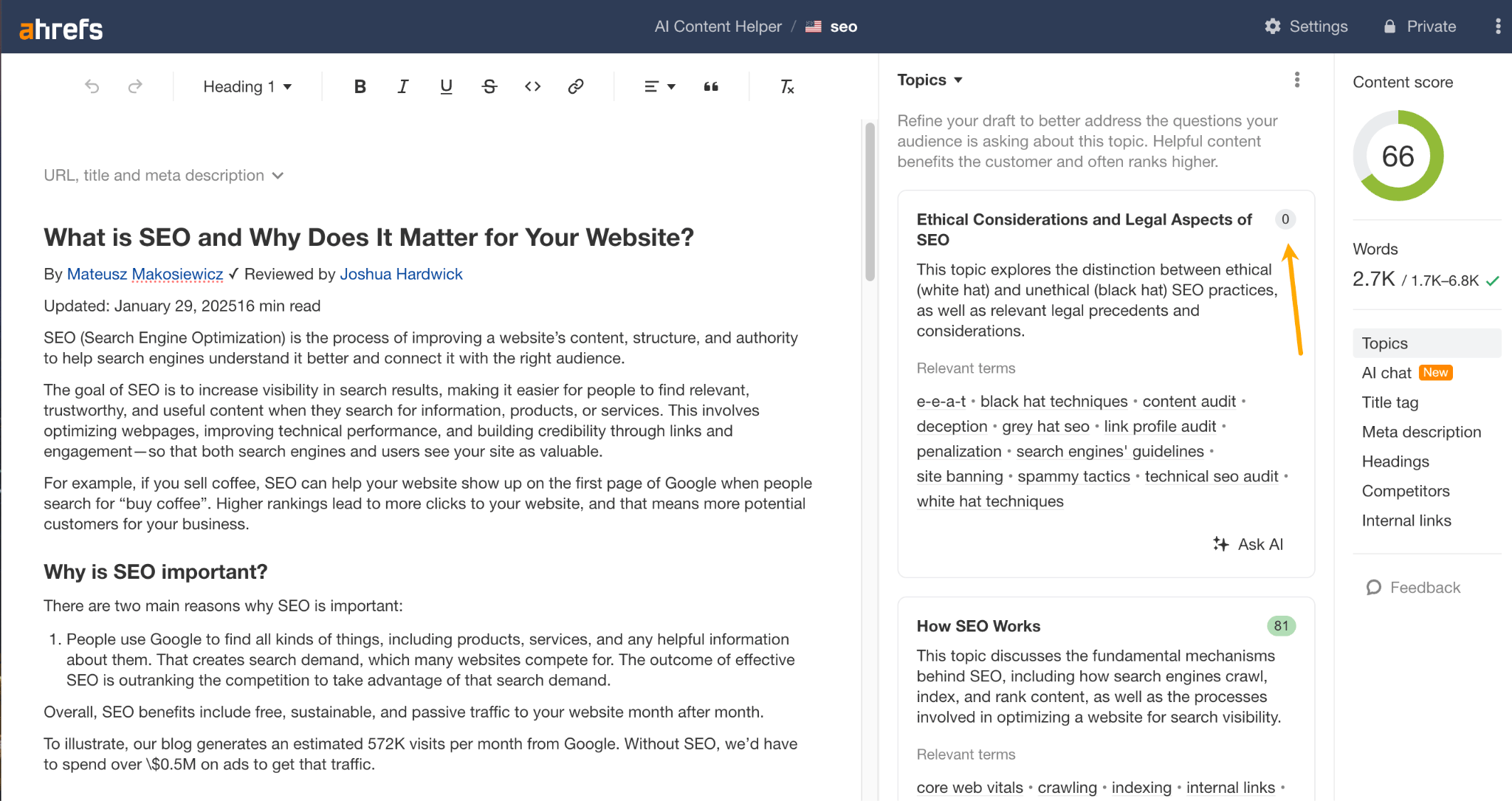
We also use our own Ahrefs’ AI Content Helper to analyze top-ranking pages and maps which topics need coverage, eliminating the need to manually open dozens of tabs.
Recently, we started making our own vibe-coded internal tools. For example, I used Riff to make an app that inserts WordPress shortcodes and image alt text (via Gemini API). And to think I did all that manually…

Takeaway
Use AI to compress research time, automate formatting, and maintain consistency. Always have humans handle creative decisions, fact-checking, and preventing generic AI voice. This is how to use AI without sacrificing content quality.
Gael Breton from Authority Hackers created a detailed system prompt defining his newsletter’s tone and structure, provided real examples of past work, then fed the AI his raw, badly formatted notes and bullet points—the original, high-value insights.
The AI handled polishing, writing, and even ran supplementary research using Perplexity for sections like “Tool of the Week.” He manually reviewed and edited all output.
This allowed them to cut newsletter production time in half (2 hours total per week) while maintaining high reader engagement. Notice the division of labor: AI did formatting, polishing, and researching easily obtainable facts; the human provided original ideas, insights not documented online, and quality control.
Takeaway
Use an AI assistant with a detailed system prompt that includes your tone, style, and examples. Give AI your raw thoughts and bullet points, let it format and polish, but always review and edit to prevent a generic “AI voice”.
This is perfect augmentation, not replacement—you focus on generating proprietary insights while AI handles mechanical writing tasks. Human expertise creates value, AI removes tedium.
Eric Siu from Single Grain used AI via dictation tools to workshop video concepts. He fed the AI preferred thumbnail styles with performance data (like Mr. Beast’s view stats), asked for viral alternatives and full outlines, and let AI analyze patterns from successful content.
Brainstorming time dropped from hours to about one hour maximum, giving his design and editing teams clear, specific direction based on data-informed creative decisions.
But notice what didn’t change: Eric still made the final creative choices. AI handled pattern analysis, alternative generation, and outline structure; the human handled creative direction, final decisions, and brand judgment.
Takeaway
Accelerate creative development without sacrificing quality—AI handles analytical work (pattern recognition, alternative generation) so humans spend more time on strategic creative decisions.
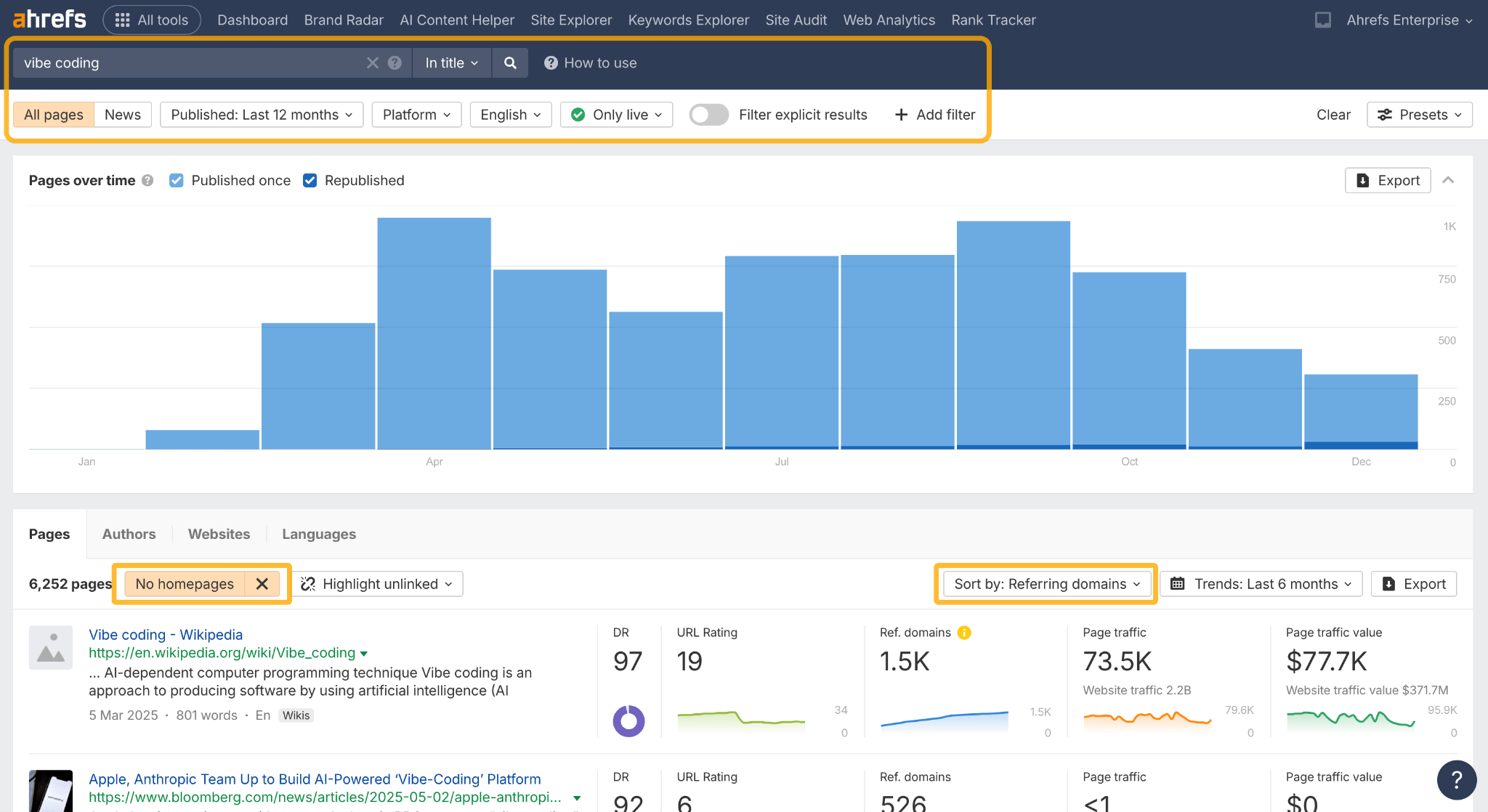
Eric was analyzing successful content for his videos—I’d take that further. Use Ahrefs’ Content Explorer to find content people link to most often in your niche. Search your topic and sort by referring domains to see what naturally earns backlinks. Feed these top performers to your AI and ask it to identify what makes them link-worthy—the data, format, or angle. Then apply those insights to your content ideas.
In the example below, I’m looking for ideas on the topic of vibe coding in English, published this year, excluding homepages for better results and sorted by number of referring domains.
Life Media UK had less than 24 hours to create a video campaign for Puxton Park’s “Curly Tails & Cocktails” event, with zero existing marketing assets. Traditional filming was impossible.
So, they used AI video generation to create a promotional teaser, but made a critical strategic choice: they used stylized, whimsical animation instead of trying to look realistic.
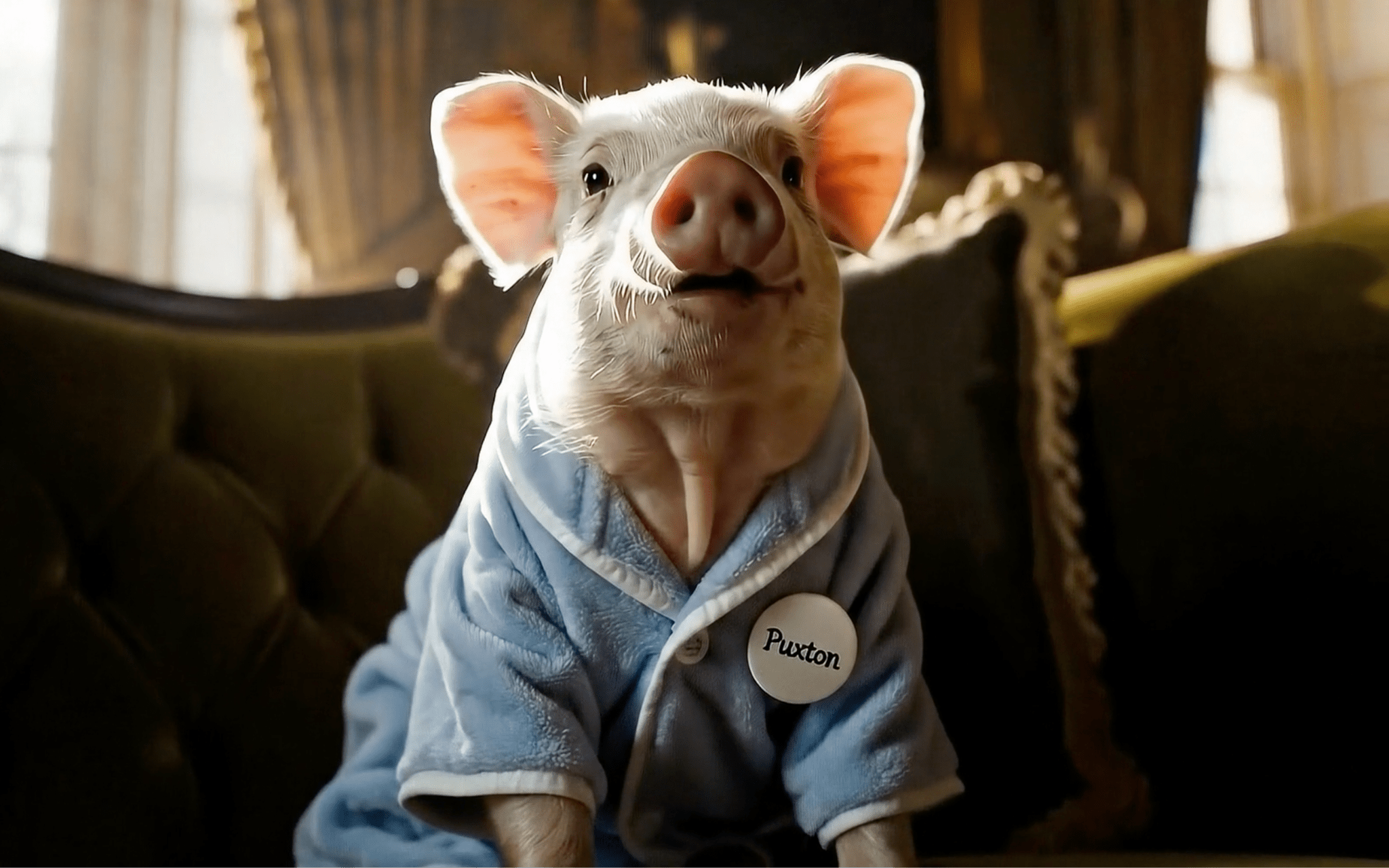
By making it obviously AI-generated and creative (not fake-realistic), they avoided the backlash brands like Vogue faced when trying to pass AI content as real. The video was “eye-catching, scroll-stopping” and successfully promoted the event.
Takeaway
For last-minute campaigns with no footage, use AI video tools (Runway, Pika) but go for “whimsical,” “animated,” or “illustrated” looks. Avoid trying to make it look like real footage—that’s where brands get roasted. Think “cartoon”, not “documentary.”
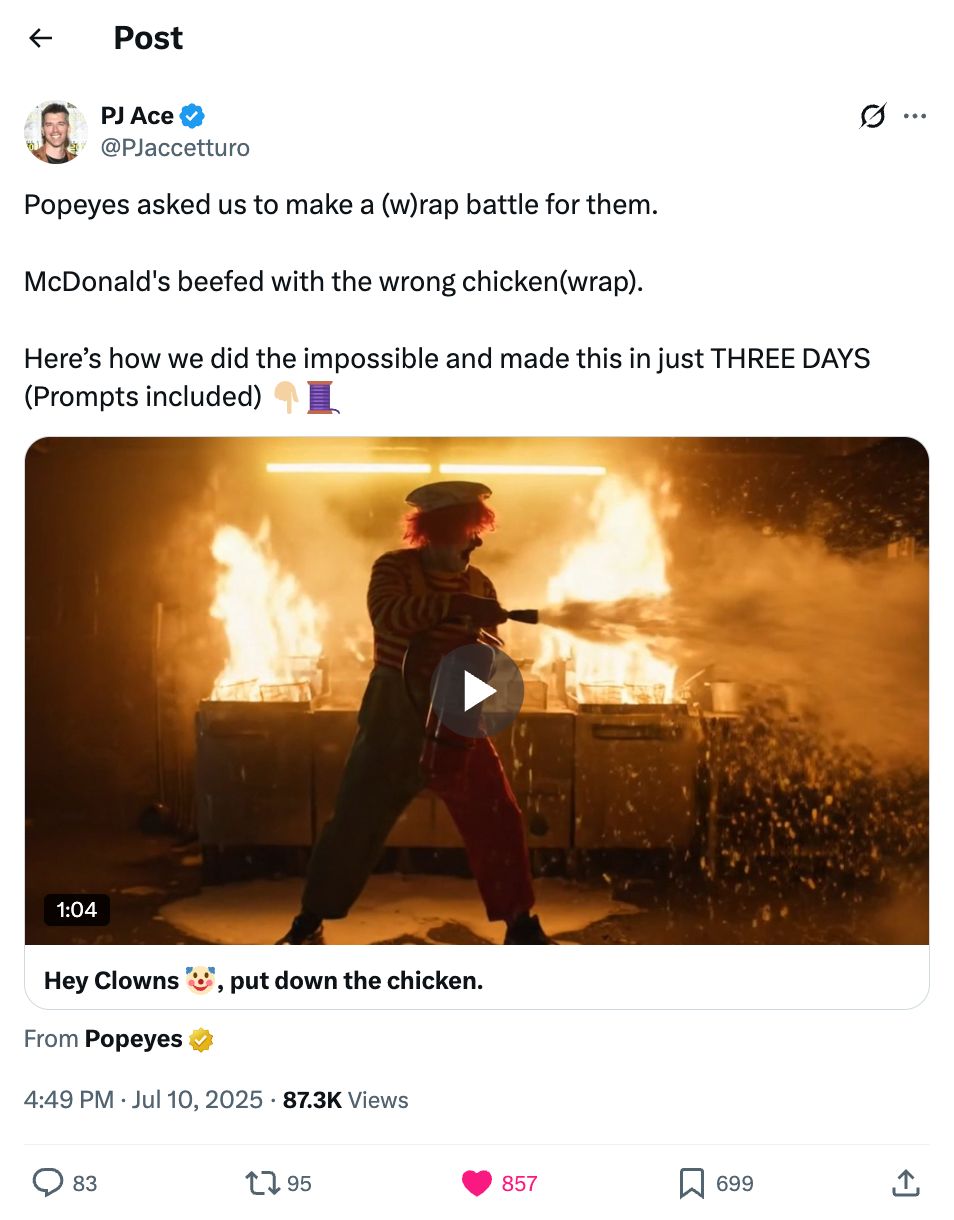
When McDonald’s relaunched its Snack Wrap on July 10, 2025, Popeyes responded immediately. They commissioned PJ Ace’s AI studio Genre.ai to create a diss track video—and got it done in three days.
The 64-second video features a rapper dissing Ronald McDonald (“Food be tastin’ funny when a clown is in da kitchen”) in surreal party scenes with sloths, giraffes, and aliens eating Popeyes wraps.
Link to the PJ Ace’s X thread explaining how he did it (and the ad itself).
To hide AI’s lip-sync limitations, they placed a large pop filter over the rapper’s mouth in booth scenes, turning a technical weakness into an aesthetic choice that emphasized the energy.
The campaign was a viral success, racking up over 10 million views across platforms by mid-July and matching McDonald’s timing perfectly. More impressive was the cost: roughly $200 in monthly AI tool subscriptions versus the $50,000-150,000+ a traditional 3-day rush production would have required.
Takeaway
When timing matters more than perfection, AI video tools like Veo 3 and Runway offer a fast-track solution. Start with a detailed script describing camera movements, lighting, and character actions, generate footage using text-to-video AI, edit the clips together, and launch within days.
This approach shines for entertainment-first content where AI’s surreal, humorous aesthetics work in your favor. As PJ puts it, ‘Entertain first, branding second’—comedic AI content consistently outperforms attempts at authentic or serious messaging.
Superside needed a high-quality commercial without time or budget for actors and a studio. Instead of asking AI to simply make a video, they built it the way you’d assemble a collage, layer by layer.
They used Midjourney to generate character images, Runway to make those images move for 3-4 seconds, and their own employees recorded lines with real emotion on their phones, then used ElevenLabs to “filter” their voices to sound like professional actors. This kept human emotion but added professional polish.
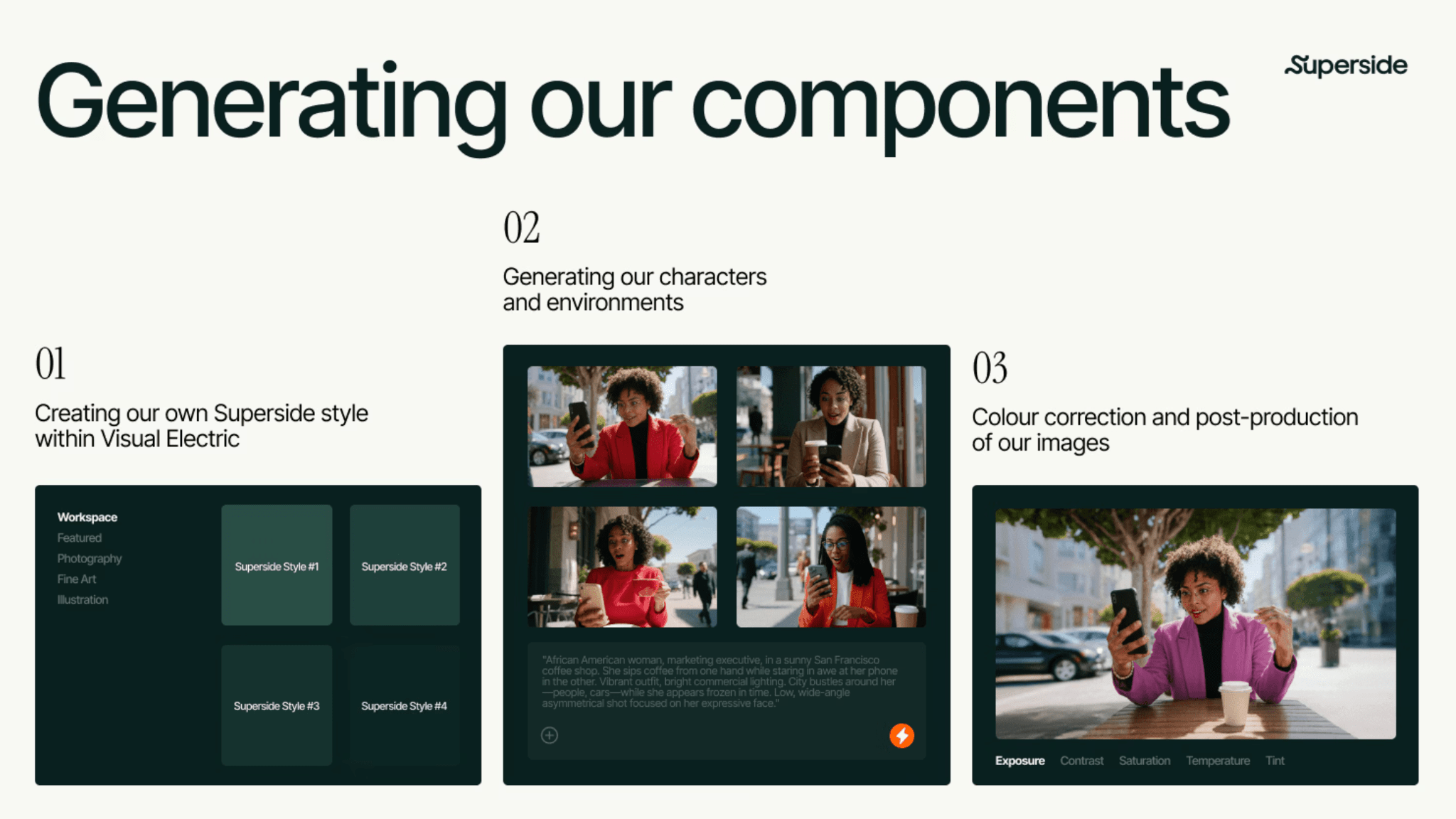
The result: 40-60% faster than traditional production, high conversions, and zero physical production costs.
Takeaway
Think of AI video like putting pieces together, not making everything from scratch. Instead of filming every scene yourself, you can build a strong story using different AI tools and still keep the human parts that matter most.
For example, you can create characters with Midjourney, animate them with Runway, and have real people record the dialogue on their phones. Then you can lightly enhance the voices with tools like ElevenLabs so they sound cleaner and more professional—without losing the real emotion.
This mix works well because humans handle the feelings and performance, while AI takes care of the time-consuming visuals, animation, and polish.
Gael Breton used CapCut’s built-in AI to automatically turn long videos into vertical clips. He then used automation to transcribe those clips with Gemini and had Claude write the descriptions.
He still threw out 3 out of every 4 clips, but the 25% that made it through averaged around 2,000 views per post, and that content wouldn’t have existed at all without AI.
The process was faster and cheaper than hiring full-time editors and writers, while human judgment was still key to deciding what was good enough to publish.
Takeaway
You won’t like everything AI generates out of your prompts, but something like 25% or even 10% success rate is still worth it for content that wouldn’t exist otherwise.
Very Ireland, a major online retailer, used AI to rewrite 1,471 product titles for their Google Shopping campaigns. Working with Wolfgang Digital and Producthero AI, they ran identical campaigns side-by-side—one with manual titles, one with AI-optimized titles.
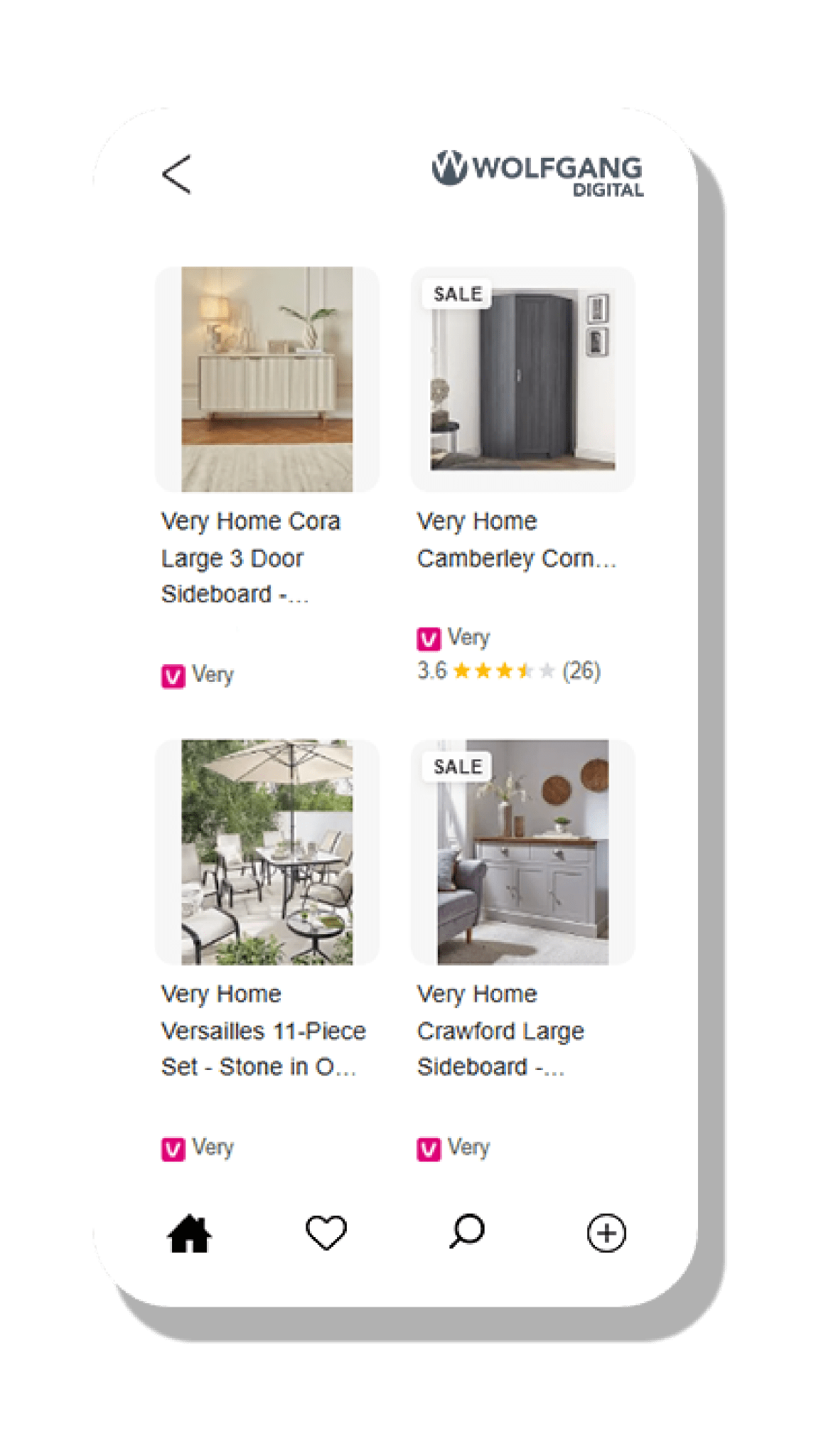
AI performance started 3% worse in month 1 but ended 11% better by month 4, with a 5% improvement in return on ad spend. AI needed time to learn, but once it did, it outperformed manual optimization while saving 10 hours of work.
Takeaway
Use AI to rewrite titles in batches. Start with your top 20-50 products, give them your brand guidelines and best-performing examples, then test AI titles against manual ones in separate campaigns.
AI breaks the trade-off between personalization and efficiency. But be patient; expect a learning curve of several months before seeing full results.
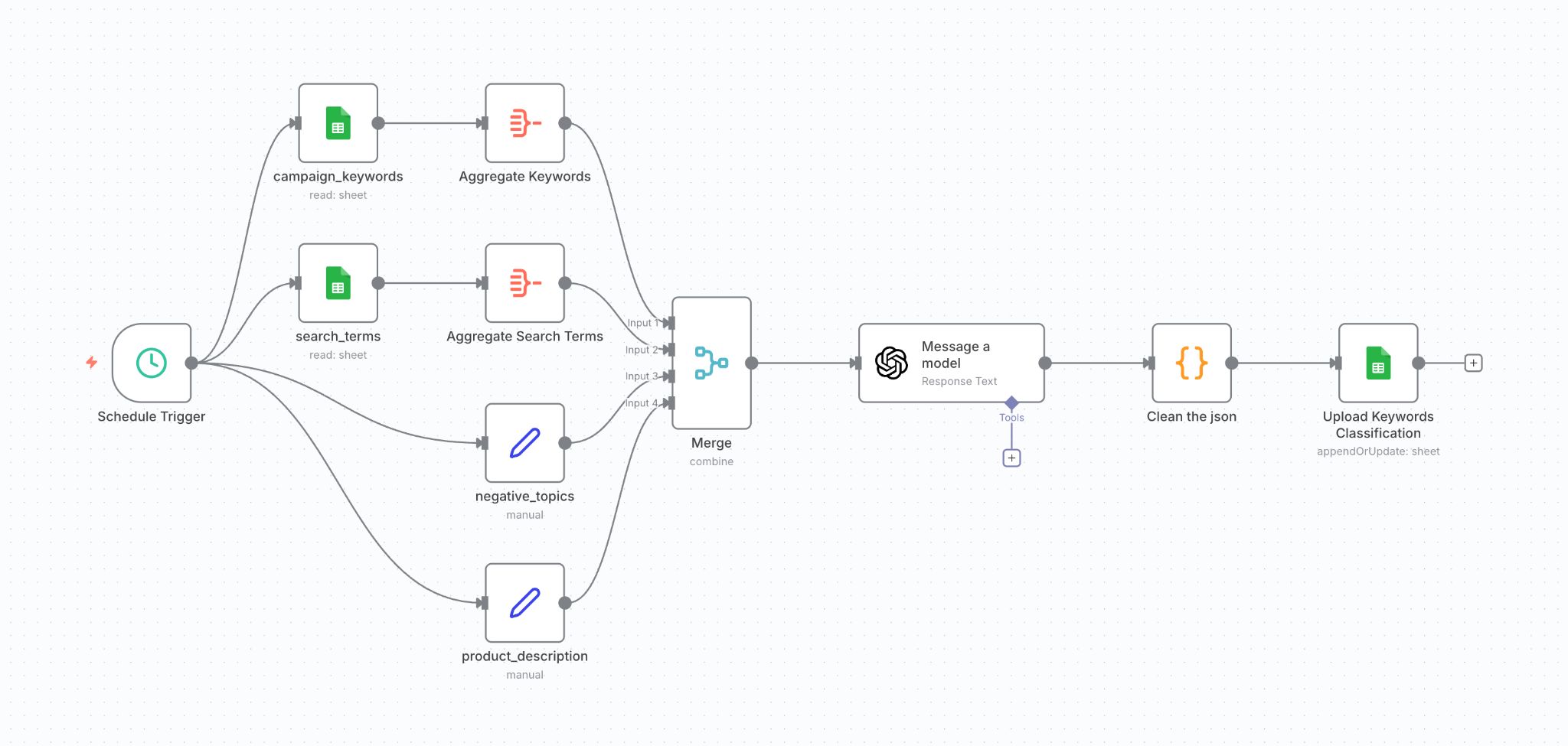
Beyond copywriting, AI can also help automate your ad workflows with tools like n8n. For example, my colleague Remus Marcu built n8n workflows that automatically check search terms in Google Ads and flag whether they’re relevant, using the campaign’s keywords, product descriptions, and past negative examples.
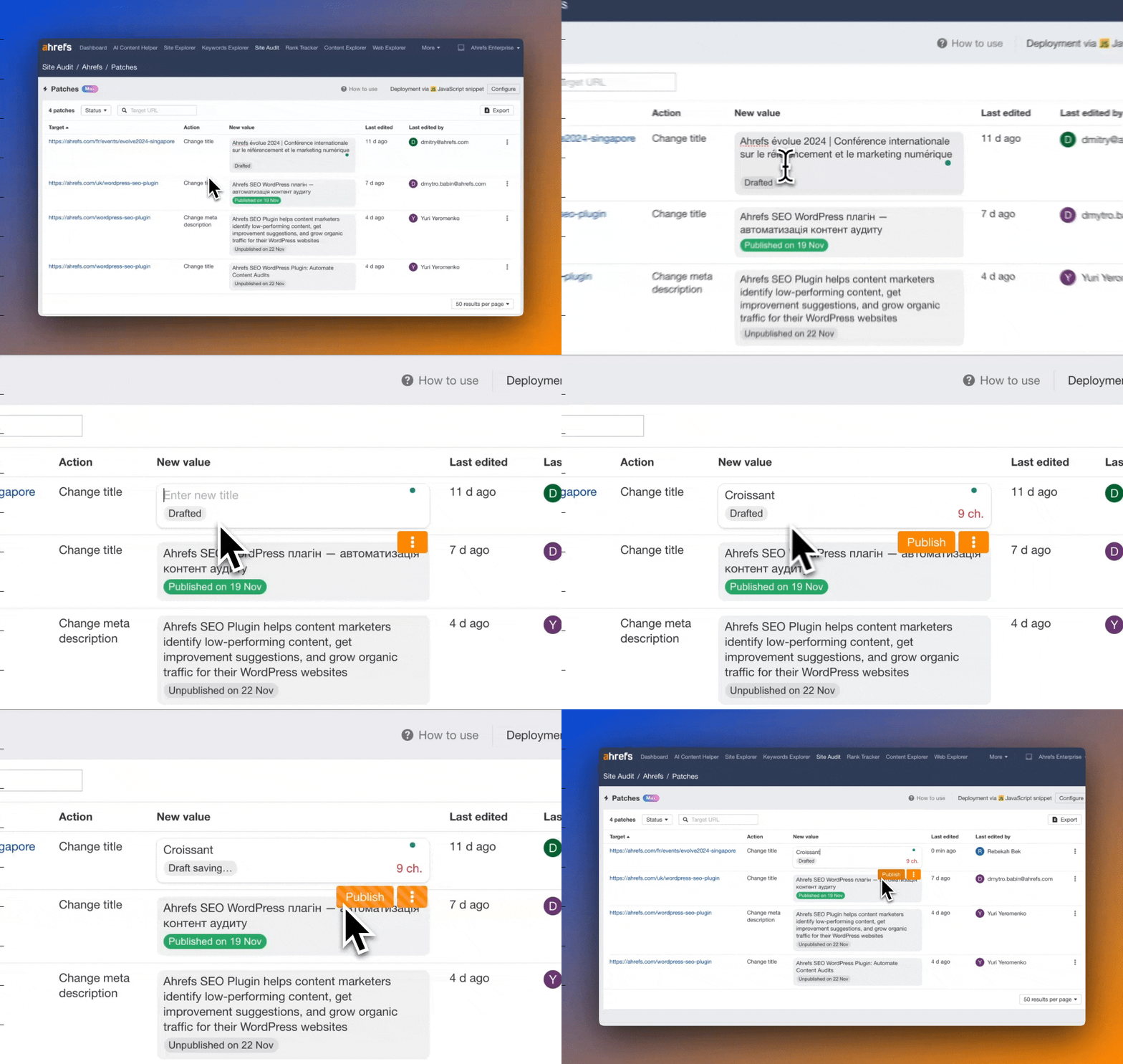
If you want to try this for your own products, I’d recommend using Ahrefs’ Patches to rewrite page elements at scale.
Instead of manually optimizing each product title one by one, Patches lets you update hundreds or thousands of titles simultaneously using AI while maintaining your brand guidelines. You can test AI-optimized titles against your current ones, measure performance, and roll back changes if needed—exactly what Very Ireland did, but with far less manual work.
Barilla used AI tool Buzzly to run a 15-day Meta advertising campaign where AI handled the testing and optimization that marketers typically do manually. Instead of creating a few ad variations and checking performance weekly, the AI generated multiple versions of ad copy tailored to different audience segments, then automatically shifted the budget to better-performing ads in real-time.
In just 15 days, the AI-optimized campaign drove 43,240 clicks at a 6.58% CTR—well above the typical 2-4%—while cutting cost-per-click by 81% (from $0.16 to $0.03) and reducing management time by 75%.
Takeaway
AI can automate the repetitive work of testing ad variations and adjusting budgets. Instead of manually creating 5-10 ad versions, running them for a week, analyzing results in a spreadsheet, then making changes, you can have AI generate dozens of variations, test them simultaneously, and optimize in real-time.
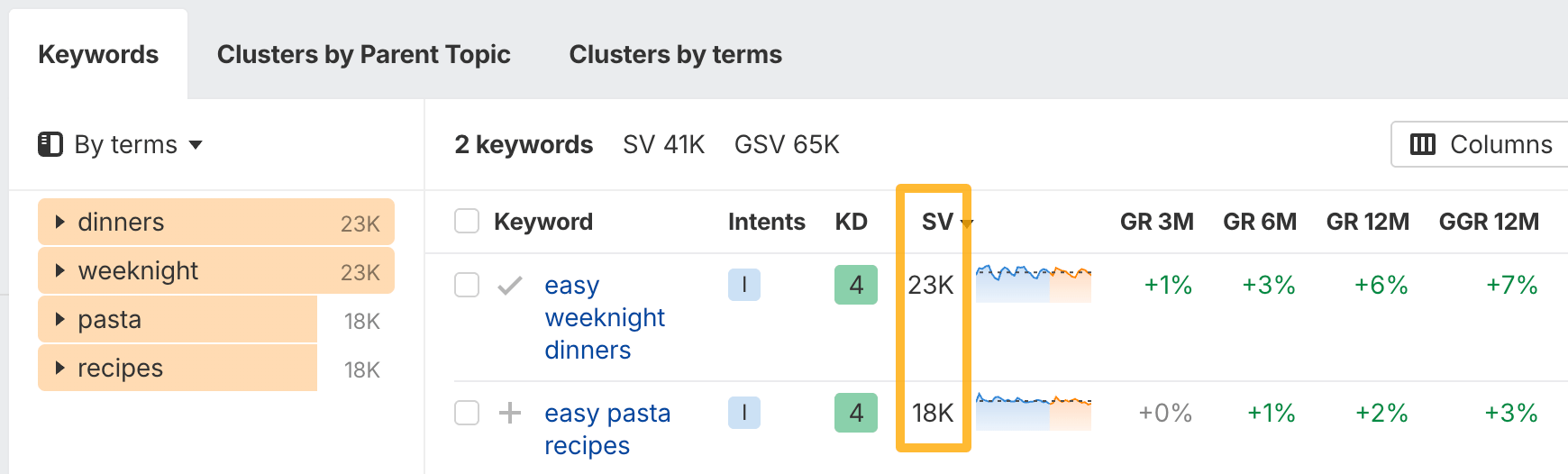
Before you let AI optimize anything, make sure you understand how your customers actually talk and search. Start by looking for the exact words they use. A tool like Ahrefs’ Keywords Explorer can help you find high-intent keywords in your niche and show how popular they are.
For example, if “quick pasta recipes” gets 18k searches a month but “easy weeknight dinners” gets 23k, that’s a strong hint about which angle to try first.
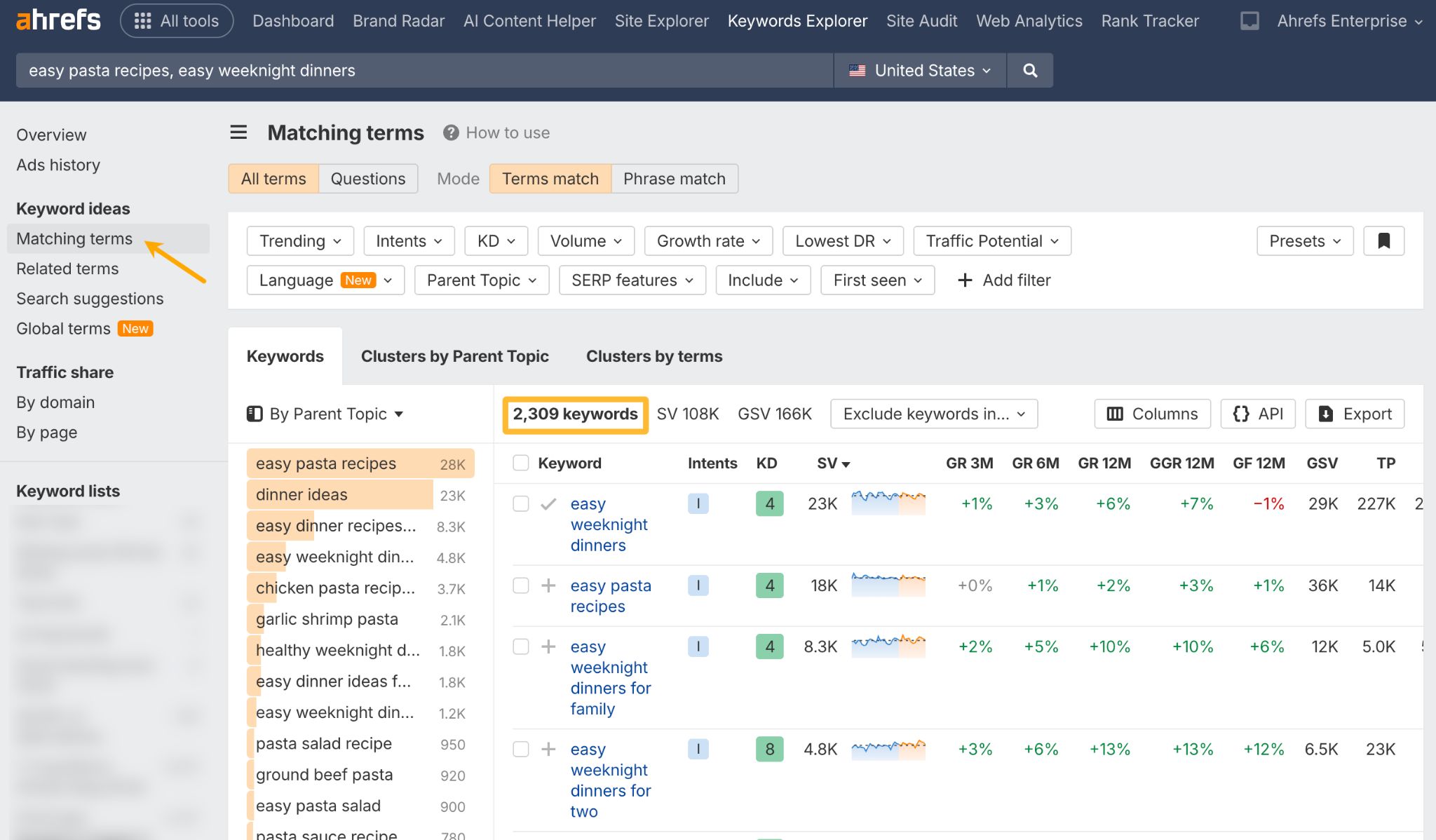
Furthermore, you can find more angles to try by exploring search term variations in the Matching terms report.
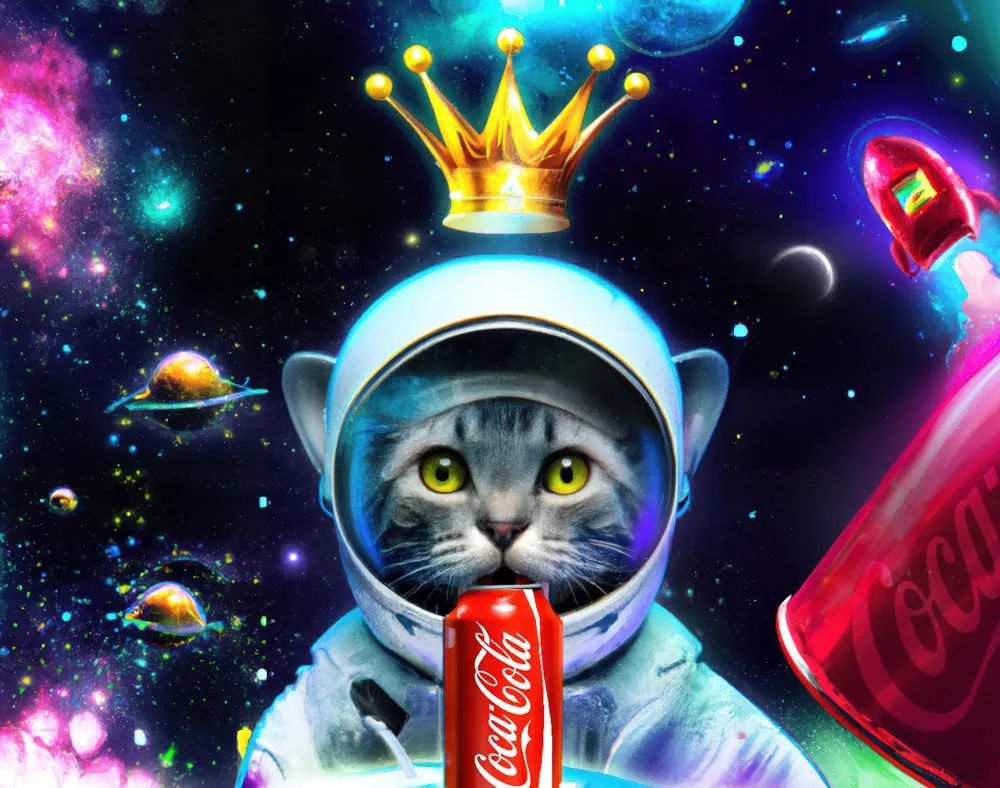
Coca-Cola built “Create Real Magic,” a custom AI platform (combining GPT-4 and DALL-E) with OpenAI and Bain & Company.
They gave digital artists worldwide access to their most iconic brand assets—the contour bottle, Spencerian script logo, Santa Claus, and Polar Bear—and invited them to create original artwork.
The campaign ran as a contest where artists could submit work for a chance to appear on Times Square and Piccadilly Circus billboards.
Coca-Cola selected 30 creators for a three-day “Real Magic Creative Academy” at their Atlanta headquarters to co-create content for merchandising and digital collectibles. All participants were credited.
Takeaway
AI can supercharge UGC contests by lowering the barrier to entry—participants don’t need design skills, just ideas. Traditional UGC campaigns require people to photograph, film, or design something from scratch. AI-powered UGC lets anyone with a prompt create professional-looking content featuring your brand.
Final thoughts
If you’re getting carried away with AI hype, I think these examples should bring things back to reality. None of these brands fired their marketing teams or replaced strategy with a few prompts. They still relied on people who understood their customers, made creative calls, and caught AI’s mistakes.
But if you’re skeptical—if you think AI is just expensive vaporware—look at what actually happened. Very Ireland saved 10 hours monthly and boosted click-through rates 11%. Barilla slashed their cost-per-click by 81% and cut campaign management time by 75%. Heads or Tails Pup doubled their daily sales. Popeyes got 10 million views for $200 in AI subscriptions versus the $50,000+ a traditional rush video would cost. Authority Hackers cut newsletter production time in half.
Even if AI never improves beyond where it is today, those time savings are real—and they add up fast over months and years.
Got questions or comments? Let me know on LinkedIn.